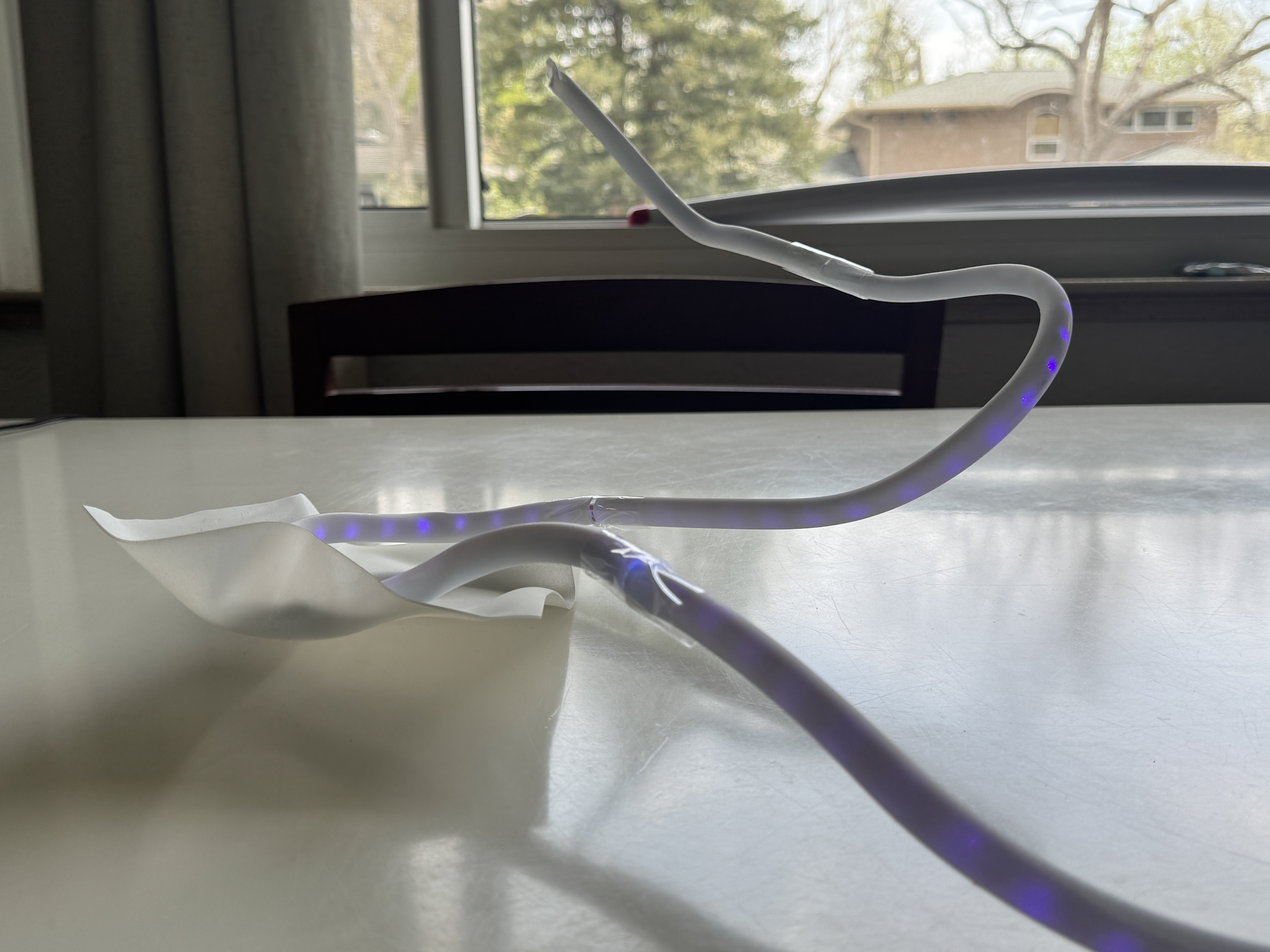
Translating Competition Dance from 2D to 3D Space
A sculptural exploration capturing the essence of dance movement performance through light and form.
Concept
A visual exploration transforming motion-tracked dance into physical sculptures. This project materializes movement patterns from my own dance videos, offering a new way to perceive improvisational choreography in three-dimensional space.
Personal Connection: When I first started dancing something that would help me the most was visual aids. Whether that was another dancer showing me movement and moves or I watched a ton of videos for the visual help. I wanted to try an show another way to show movement to help dancers and students as a visual aid. As a competitive dancer, Echo allows me to preserve and transform my most significant performances into a permanent artistic installation, giving new life to ephemeral moments of athletic and artistic achievement.
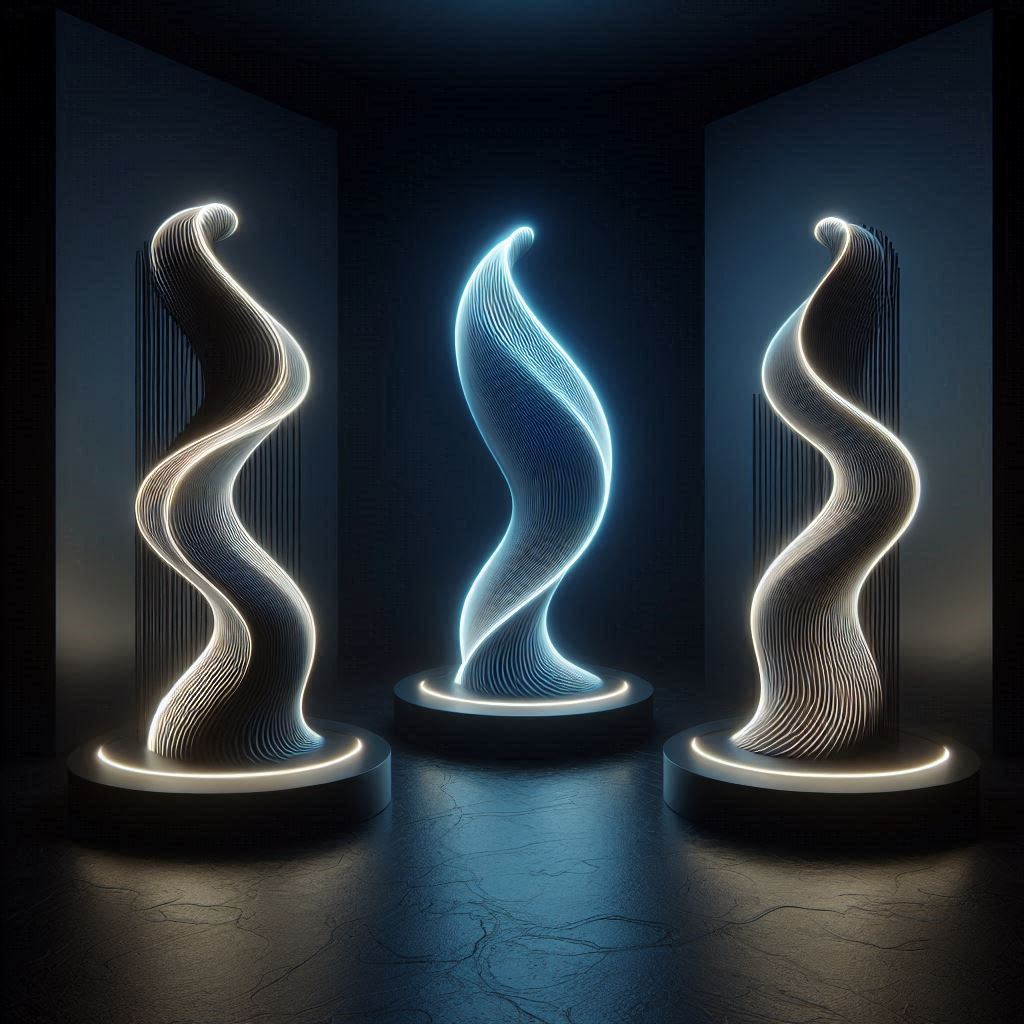
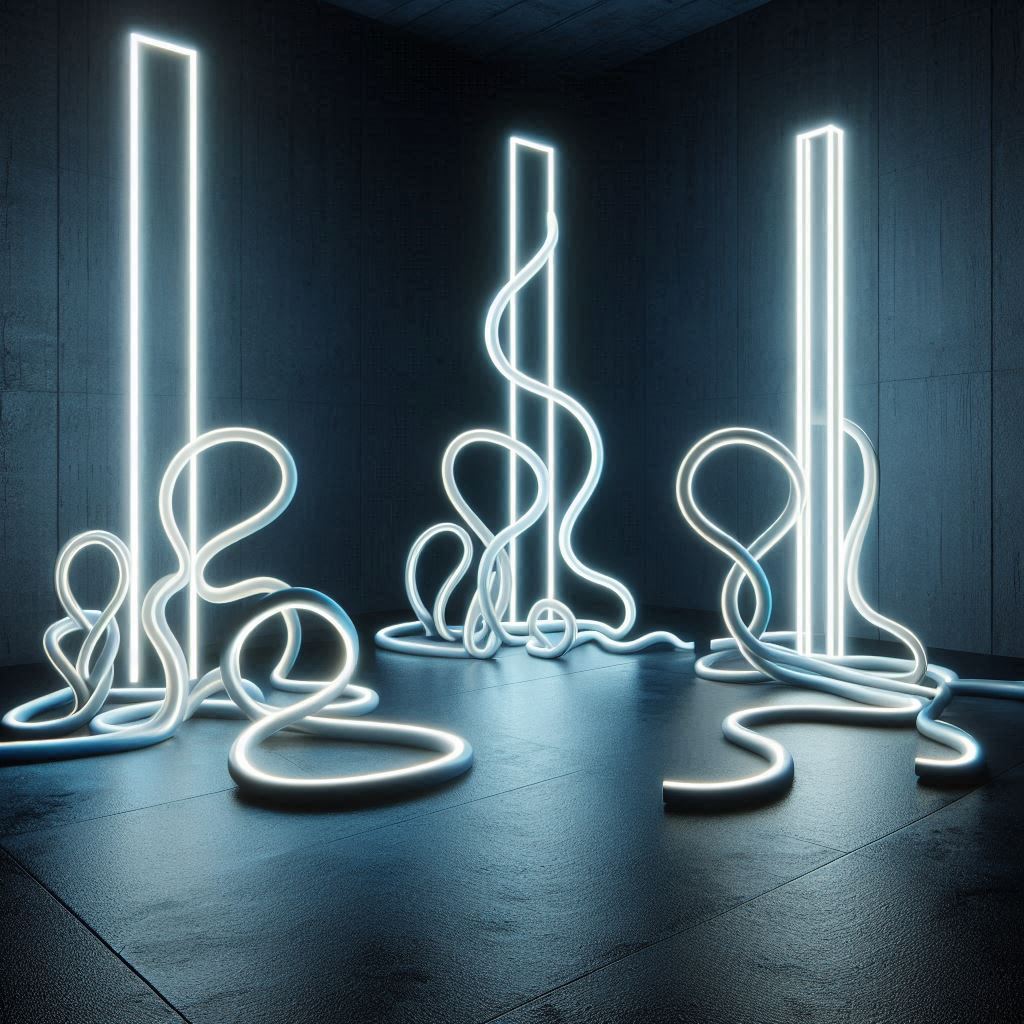
The sculpture serves as a physical representation of temporal movement, freezing time and allowing the viewer to experience dance in a new dimension. The LED lighting sequence recreates the flow, rhythm, and energy of the original performances, creating a conversation between competition recordings, physical space, and light.
Conceptual Foundation
Echo draws inspiration from chronophotography and light painting techniques, capturing movement traces that would otherwise be invisible to the naked eye.
Source Material
Multiple vertical competition videos from different dance competitions captured my performances across various genres and choreographies.
Competition Videos as Source Material
Echo utilizes my archive of competition and social dance videos spanning multiple seasons, styles, genres and competitions.
Monterey SwingFest 2025 - 2nd Place
In this motion capture I specifically highlight out my right leg / foot for a styling I do often. Not only showing my balance all in my left foot but as I also use this in the connection through the partnership going from compression on the leaders chest to then leaverage when I catch his hand. It also shows my little ankle articulation at the end to then go for a heel strike to continue my momentum forward.
Rose City Swing 2025 - 4th Place
In this motion capture I am highlighting one of my weight transfers on my right foot to follow my leader as he pushes us toward the audience while still facing my leader. If you blink you'll miss it, as this weight transfer is for the purpose to quick switch my weight from my right to me left and then again.
The OPEN 2024 - Semi-finals
In this motion capture I am showing my right shoulder as I go into a duck creating a very angled shape with my upper body to create space for my to go through my leaders window as he presents it.
Selection Process: Each vertical competition video was analyzed for distinctive movement qualities, spatial pathways, and emotional resonance. Echo incorporates elements from multiple performances, creating a composite representation of my competitive dance journey.
Process
The creation of Echo involved several interdisciplinary steps, combining video analysis of competition footage, digital modeling, fabrication, and interactive lighting design.
- Competition Video Collection: Gathering recordings from various competitions spanning my recent dance career.
- Video Preparation: Editing competition footage to isolate complete routines and standardize viewing angles and composition.
- Motion Analysis: Using motion tracking software to extract movement pathways and key points from the competition videos.
- Pattern Identification: Identifying signature movements and recurring patterns across different performances.
- Digital Modeling: Transforming the 2D competition movement data into 3D trajectories through computational design.
- Acrylic Fabrication: Bending and forming acrylic tubes to match the designed pathways.
- LED Implementation: Embedding programmable LED strips within the tubes.
- Choreographic Programming: Creating lighting sequences that recreate the temporal aspects and dynamics of the original competition performances.
- Installation: Mounting and presenting Echo in a way that invites viewer engagement with the preserved competition movements.
Acrylic Bending Process
A significant technical challenge in creating Echo was the precise bending of acrylic tubes to match the pathways extracted from competition videos, Testing structural integrity of complex bends, and heat-bending acrylic tubes using a custom jig:
Programming and Coding
The LED sequences that represent competition dance movements required extensive coding, testing, programming Arduino to control LED patterns:
Technical Challenge: Converting 2D video competition footage to then 3D modeled forms presented unique challenges for motion tracking.
Time-lapse of Echo's complete creation process
Technology
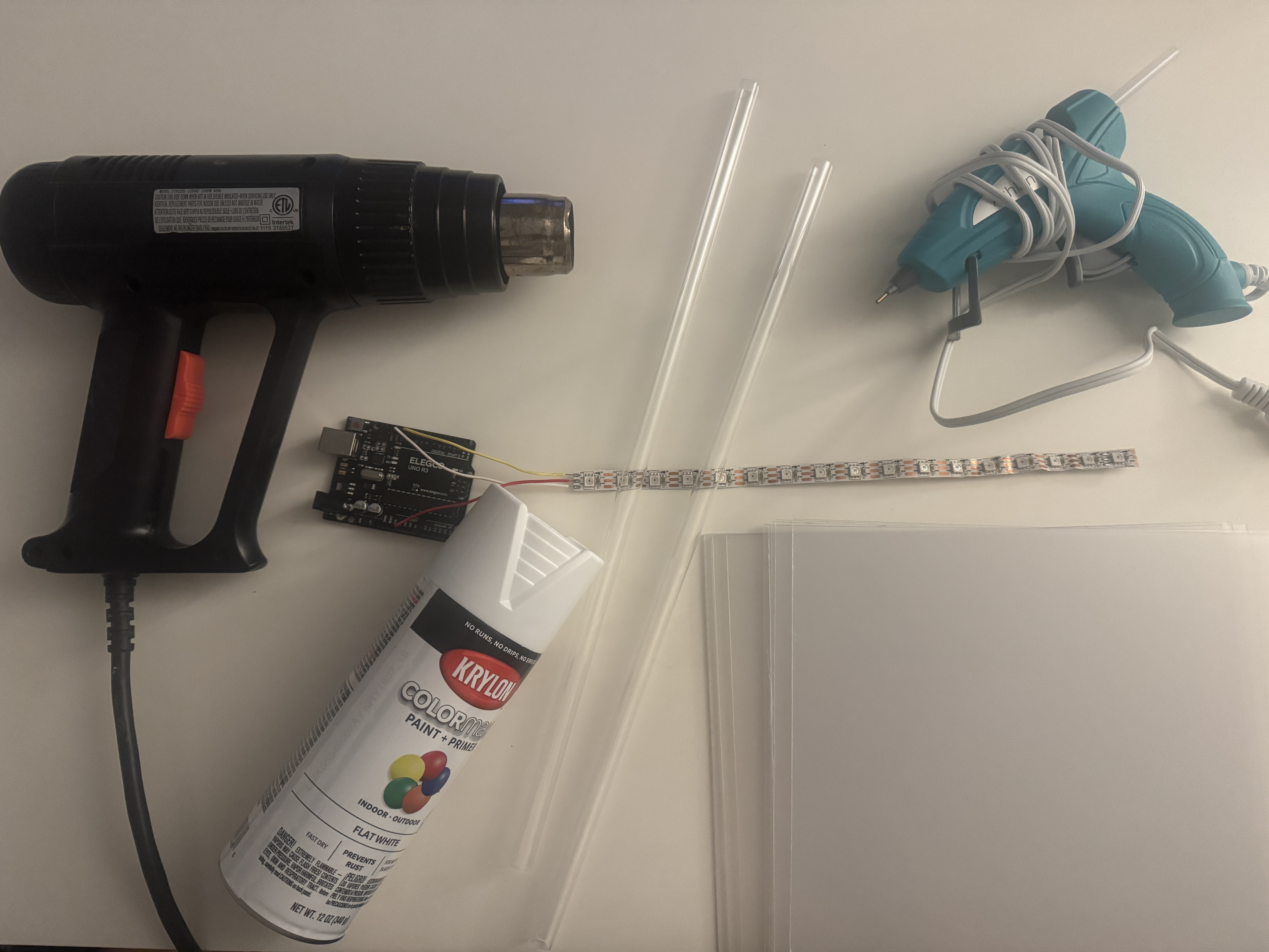
Echo integrates several technical components to achieve the translation from competition video to physical sculpture:
Hardware
- Clear acrylic tubes
- Programmable LED strips
- Arduino/Raspberry Pi controller
- Custom mounting system
- Power supply unit
- Custom acrylic bending apparatus
Software
- Vertical competition video enhancement tools
- Motion tracking software with 9:16 ratio support
- 3D modeling program
- Custom LED control script
- Arduino IDE

Data Processing
Competition movement footage was gone through individually frame by frame to map temporal changes and performance dynamics to spatial coordinates within Echo.
Technical Challenge: Working with vertical competition videos presented unique challenges including varying video quality, inconsistent camera angles, and background distractions. Custom preprocessing techniques were developed like cropping to normalize the footage before motion tracking.
Documentation
Throughout the Echo project, I documented each stage of development, from initial competition video selection to the final installation:
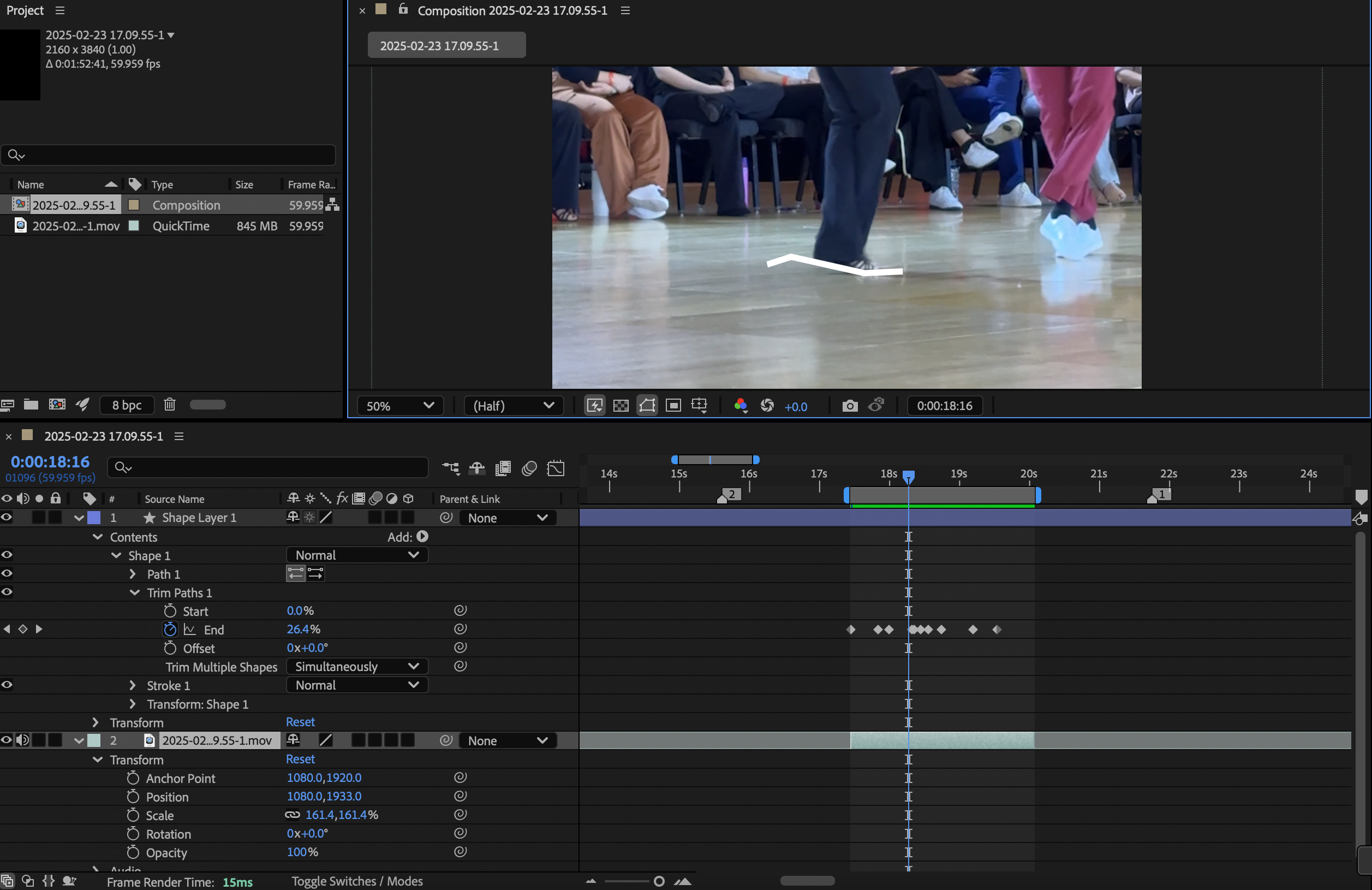
Competition Analysis
Detailed breakdown of selected vertical competition performances, including notation of key moments, technical elements, and emotional peaks that informed Echo's design.
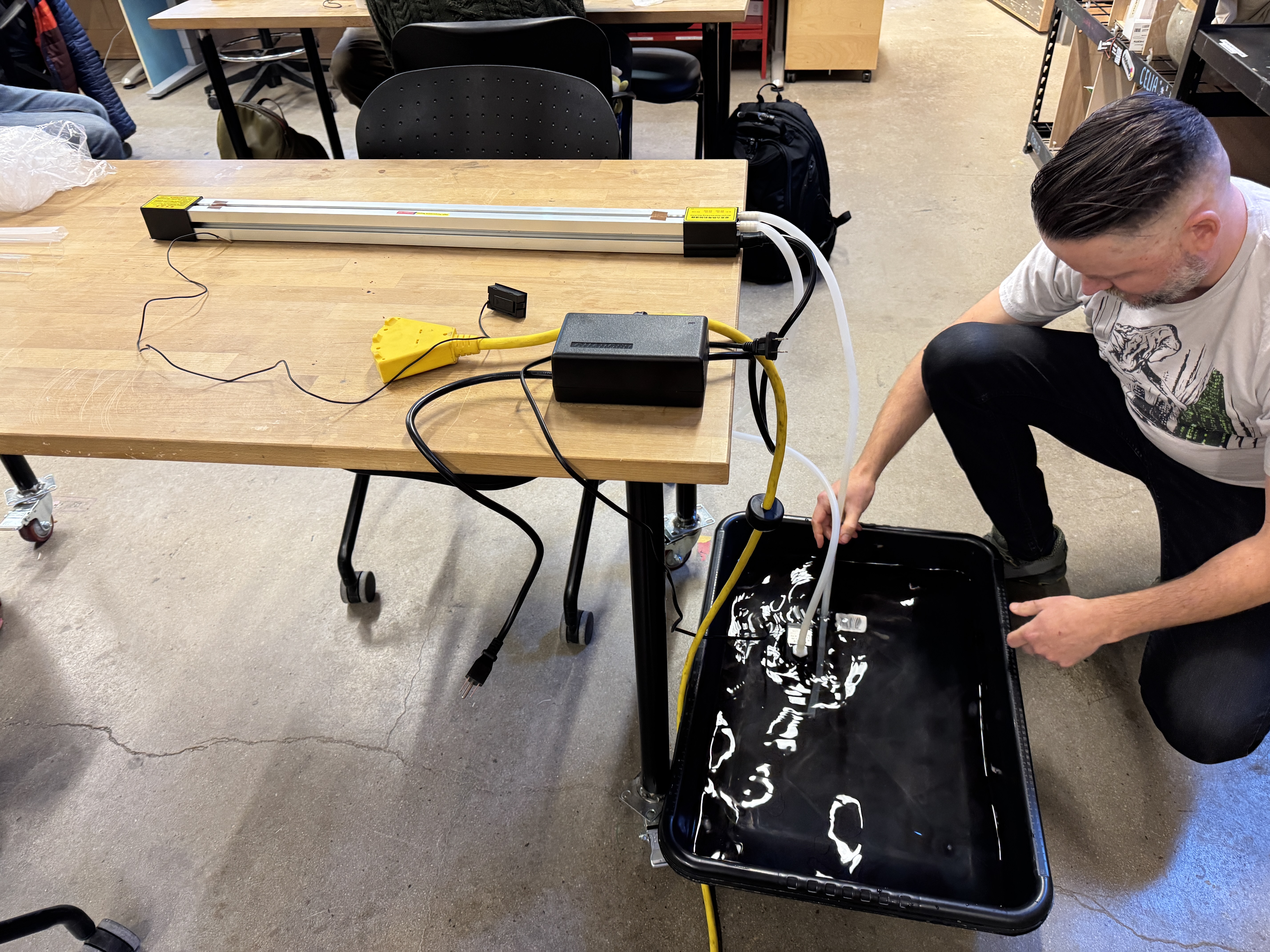
Acrylic Fabrication
Detailed logs and experimental documentation of different heat forming techniques, successful bending methods, and structural solutions for complex shapes.
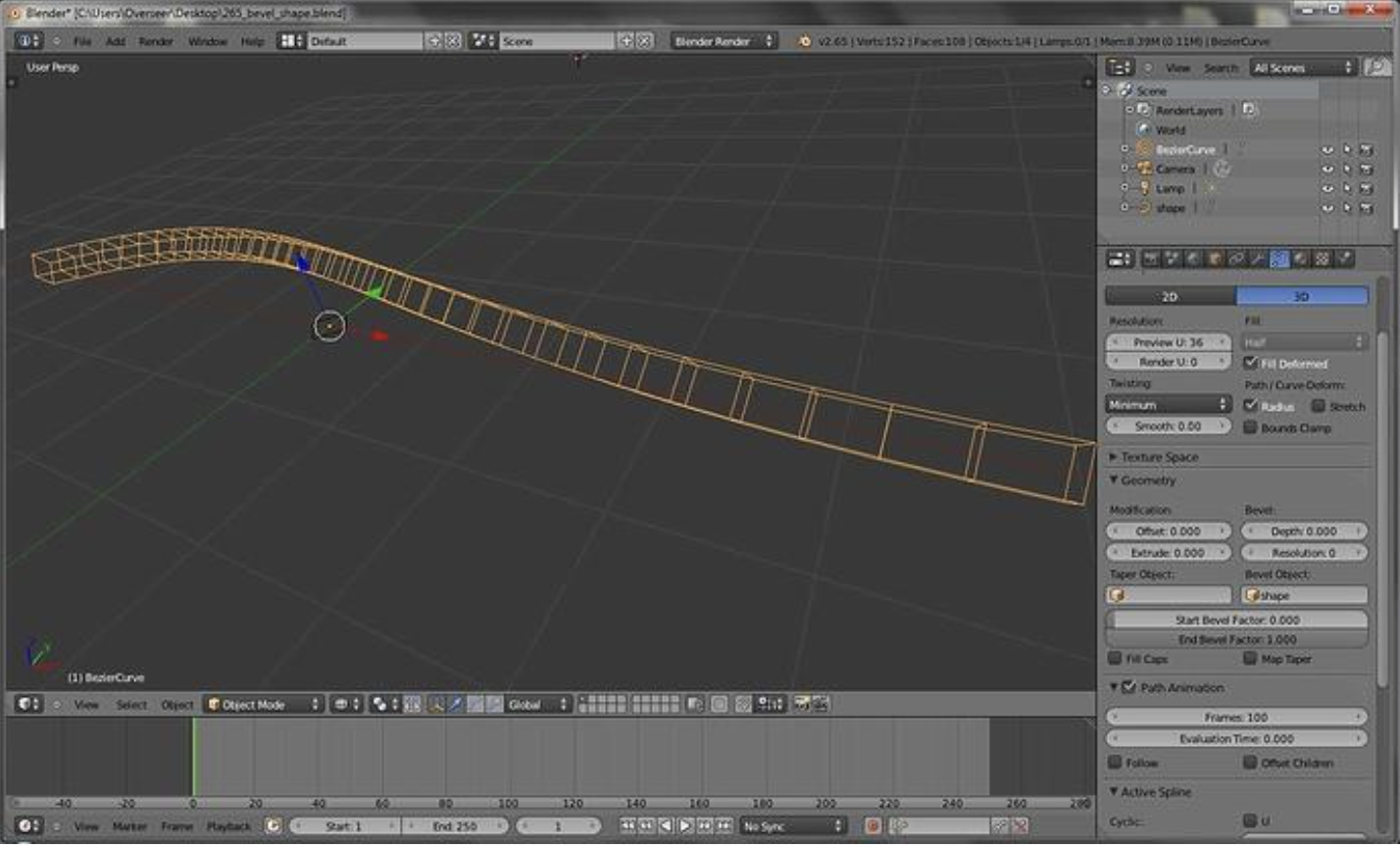
Research Journal
Explorations into movement precedents, competitive dance aesthetics, light art, and technical considerations that informed Echo's direction. Most of this coming from my mentor/ coach Robert Royston.
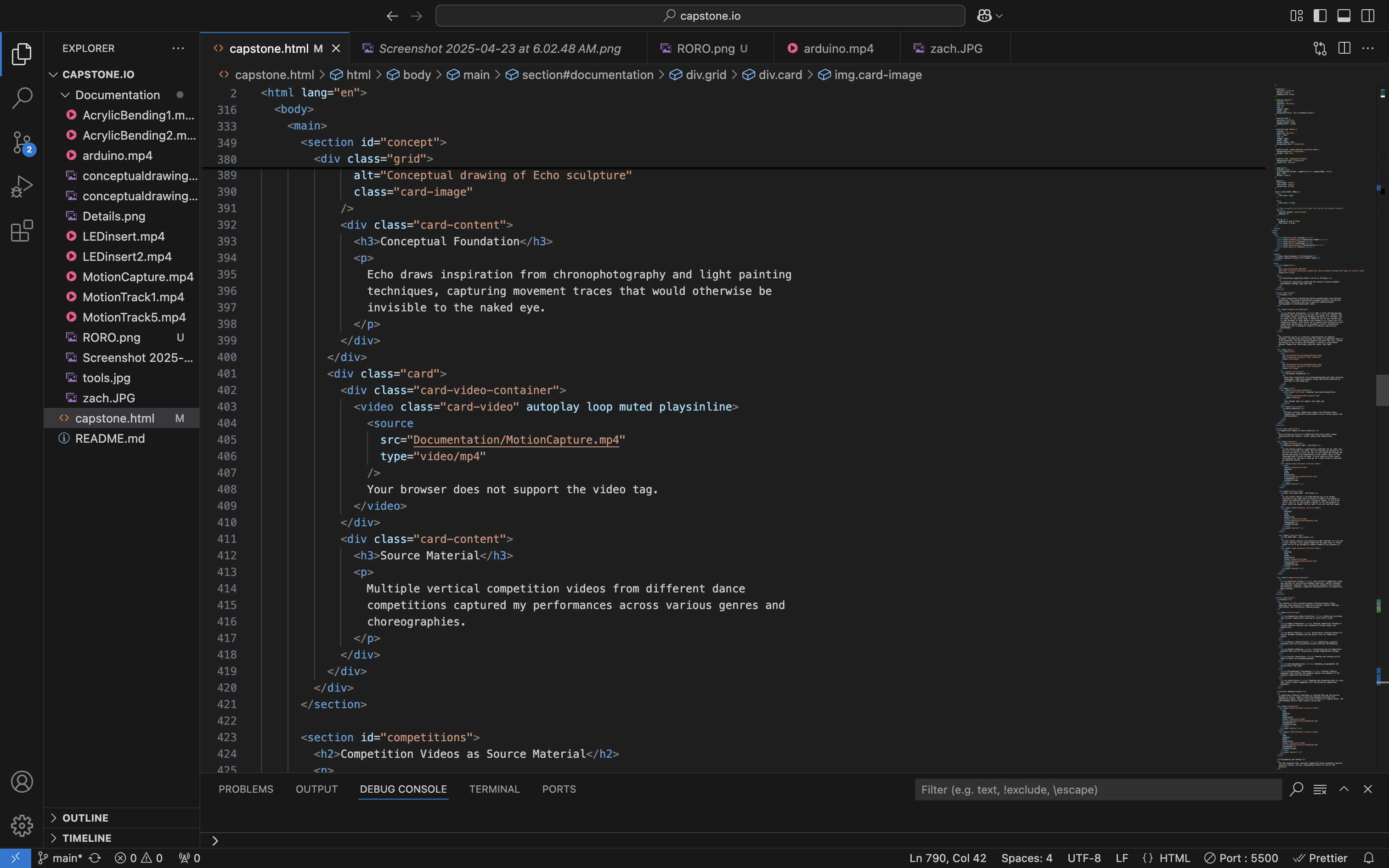
Technical Documentation
Detailed schematics, wiring diagrams, and code examples used to translate competition movements into LED patterns, including the complete Arduino codebase.
Gallery
Visual documentation of the finished Echo sculpture and its installation:
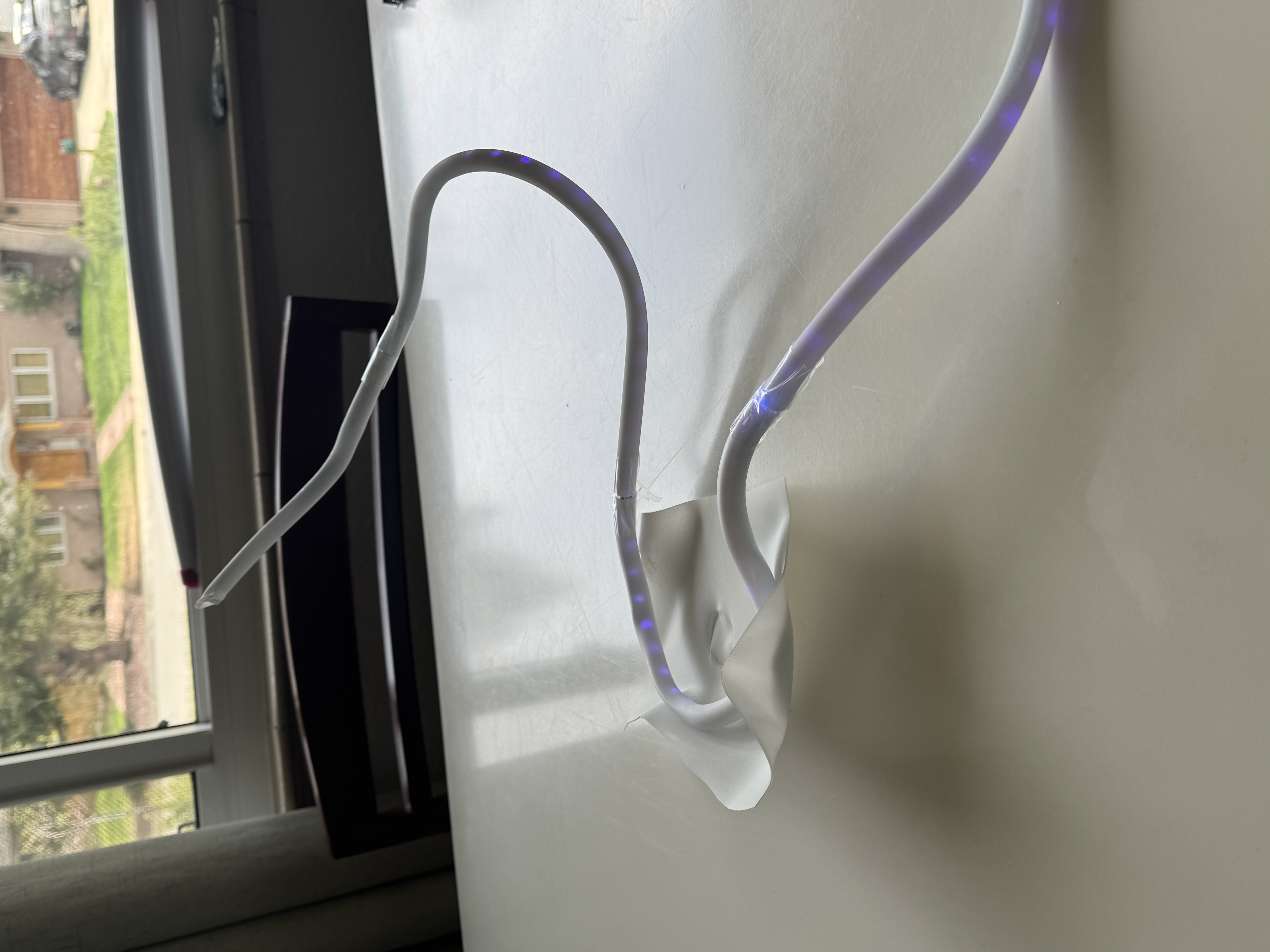
Daylight View
Echo's sculptural form visible in natural lighting conditions, showing the physical pathways derived from competition choreography.
LED Illumination
Echo activated and displaying the full competition dance sequence through light patterns.
Time Exposure
Long-exposure photography capturing Echo's complete light sequence of a competition routine in a single image.